
The therapy of walking in nature, the gentle steps towards mental wellness, the record of extraordinary moments…

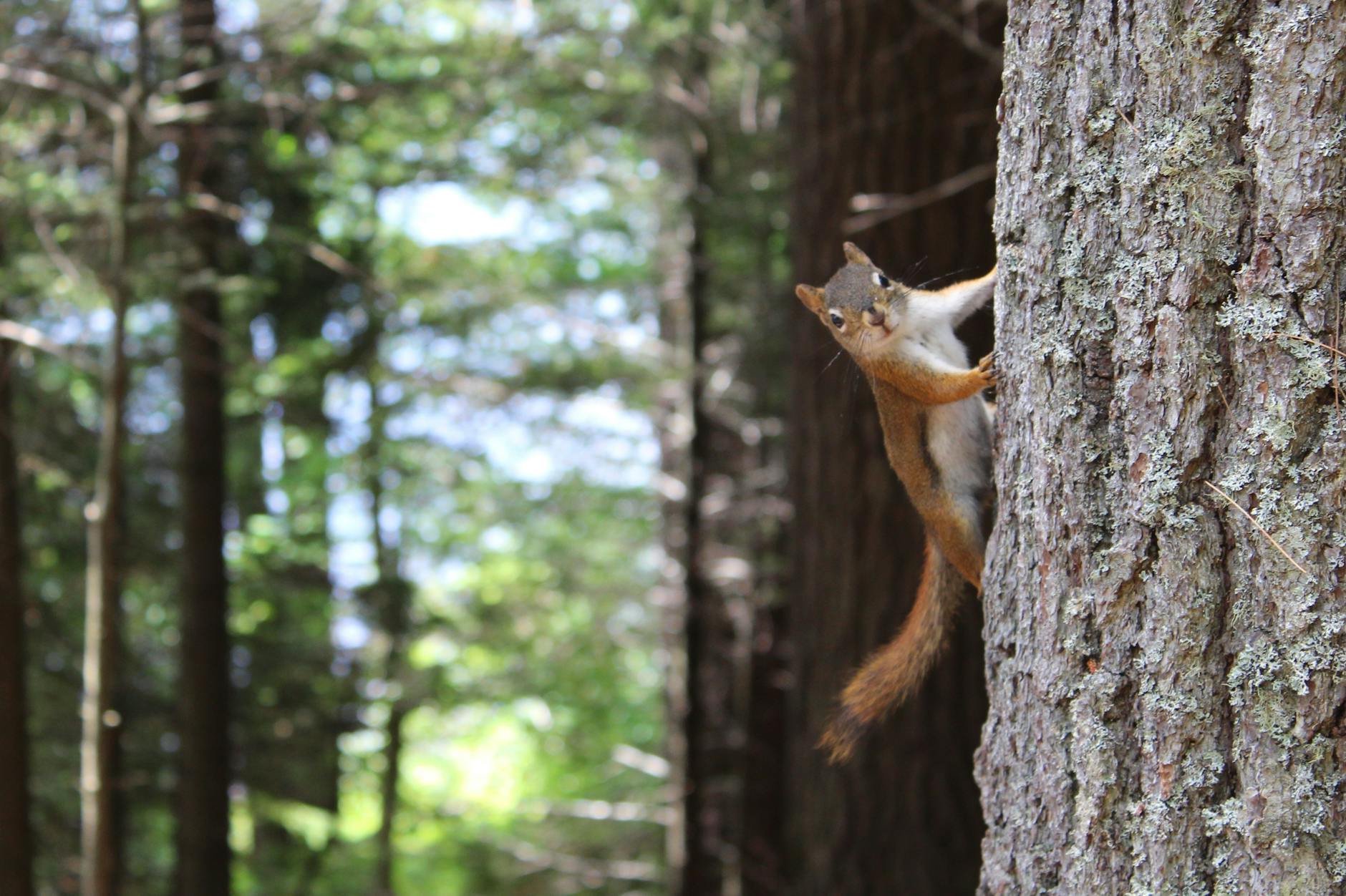
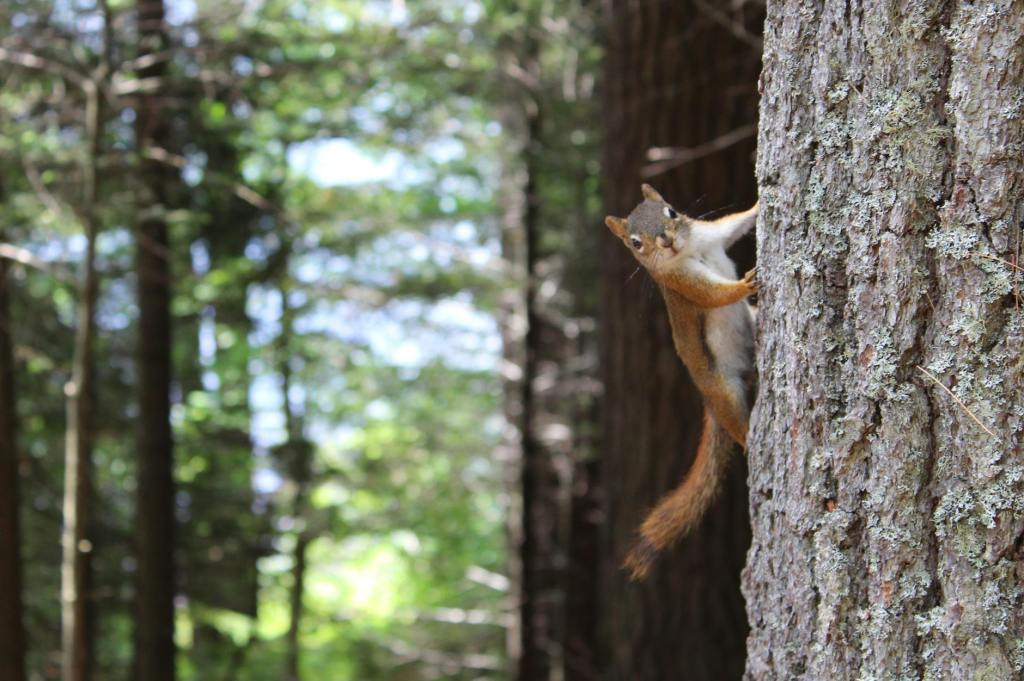
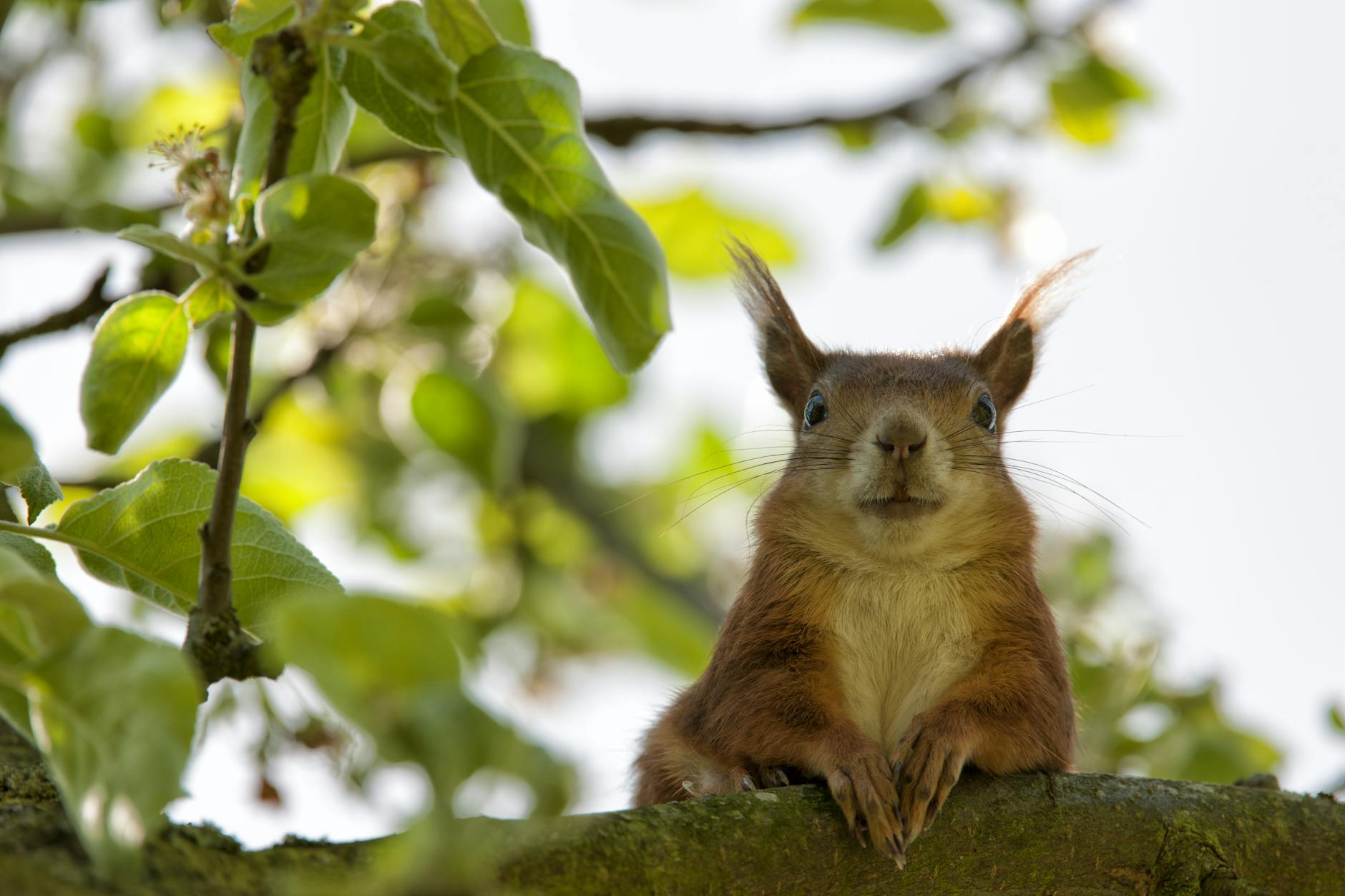
Two bats and a squirrel?
Yes. That’s right.
The day I decided that not only could walking be a therapy for my brain, but that documenting the nature I encountered would be its perfect complement, I totted up a grand total of two bats and a squirrel.
It was early in the morning in February, to be fair. It was dark, it was cold, and wildlife was not abundant.
But I realised on this day that the mindful experience of a walk could incorporate such a breadth of observation that it didn’t matter.
From spectacular sunrises to old men hunched under umbrellas. From walks that were breathtaking, to those that were grey, and superficially unremarkable, there was always something to fill my attention, and somewhere for my brain to travel.
Discovering walking as a remedy for anxiety
The idea of writing my walks was born a few years ago, before I knew about my ADHD brain, when I first started using walking as a practice to calm my anxiety. (see also 8 reasons to go for a walk when you have ADHD)
At this time, my life, and my brain, felt out of control, and dealing with the churning ball of tension in my stomach, in my brain, every day, just from having navigated to tea time with young children, was getting harder and harder.
One day I just had to leave the house, and was encouraged to. I went for a short walk, and I certainly didn’t come back cured, but I did come back a few shades calmer than I went out.
The value of which, at the time, was almost incalculable.
The benefits of exercise for the brain are well known, and they are numerous. Even looking at only the basic, metabolic effects, exercise can enhance the action of important brain chemicals and neurotransmitters, including our coveted dopamine, as well as serotonin and norepinephrine.
Many people use running as a therapy for mental health conditions such as depression, and high intensity aerobic exercise is particularly good for the release of feel-good endorphins.
I have noticed that walks including steep hills give me a greater high when I finish, and a better period of subsequent calm.
The regular and effective use of exercise can actually produce long term alterations in the function of the brain, which is a pretty incredible motivation.
In addition to the movement, nature has always been an escape to me, I have always loved walking, camping, exploring and wildlife. But it took on a new significance, a new consiciousness, if you like, when I started to use getting outside as a therapy.
At the time I started, I knew it wasn’t a cure-all, but I began to recognise that spending enough time out on a walk would could consistently take my anxiety down several rungs on the ladder.
It became not just an escape, but a necessity for survival, and often a brisk walk was the bridge for me to arrive at evening-time without a stress meltdown.
Engagement with nature is now well recognised as a therapy for mental health, with a welcome rise in social prescribing by the NHS, aimed at getting people outside more, and more involved with the natural world.
I noticed that seeing birds or other wildlife whilst on my walks lifted my spirits further, but that beyond that, it was genuinely able to distract my brain…in a good way.
Like many of my comrades, throughout my life I have tried so many different exercise regimes, dietary plans, lifestyle choices and hobbies, every time with the absolute and complete belief, so unique to ADHD, that this one would change my life.
I have thrown myself into them, researched them until I could teach the experts and implemented them with such utter precision that I could have been used as a ruler.
For maybe 2-3 weeks. Occasionally longer. Often less.
Just before Christmas last year it was Wall Pilates.
I know what I’m like, I know I have ADHD, it didn’t stop me believing that I would be doing it Every Day.
For The Rest Of My Life.
And that it would completely change both my body and mind.
I think many will be familiar with this scenario.
Throughout this time though, walking is one intervention that I have come back to time after time after time.
And there is something different here.
It doesn’t feel ground-breaking, it doesn’t feel like it will change my life. But it’s a gentle, tangible tonic.
It’s a slower stream of oxygen through otherwise stormy veins.
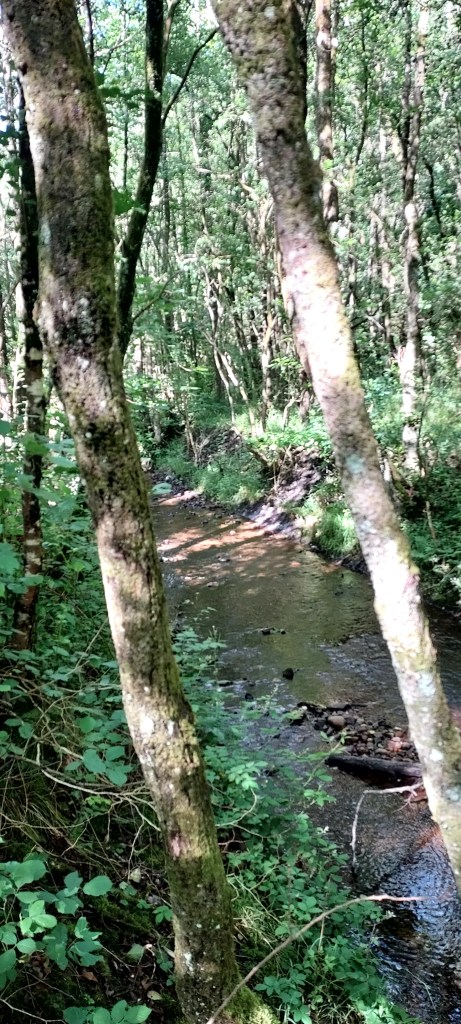
Is mindfulness possible with ADHD?
When I was younger, I loved the idea of meditation, but was completely bemused as to how you were supposed to sit still and “clear your mind”
How on earth is that possible? How can you possibly stop all the continual thoughts going through your brain?
Finding out I have ADHD, this now of course makes perfect sense. You can’t tell an ADHD brain to sit still and think of nothing. In fact, what you have there is an actual recipe for mental chaos. (If you need a reminder of all the fantastically wonderful things about our differently wired brains, and a mood boost – See Fantastic Beasts – 5 reasons to celebrate and seek out ADHD brains)
I have noticed that after walking for maybe twenty minutes or more, my thoughts become different. I won’t say they became organised – that would be too much to hope for – but they have moments of clarity, and occasional fountains of creative inspiration.
It’s like the physical and repetitive action of walking gives my brain just enough to do that the pathway is cleared a little bit for other things.
Some of my best ideas and moments of creativity happen while walking.
I also began to notice the calm that came with observing an aspect of nature, like a bird singing on a branch or an early March primrose peeping its head through the earth.
Stopping, momentarily, to feel the extraordinary in an everyday moment, felt powerful enough to shift my whole world two shades lighter.
This is perhaps the closest I could get to something approaching mindfulness…

I think the best version of mindfulness for ADHD, is some kind of active awareness or concentration on a task, often with movement involved, and more than one stimulus may be needed to achieve this (unless you are in hyperfocus…but that’s another post)
So, the dual task of walking and observing nature seems to work by occupying one part of my brain, which is controlling the walking – navigating obstacles and directions etc – whilst another part is being distracted and observing the sights and sounds around it.
It doesn’t switch off the other thought streams entirely, but it does seem to calm, and make them slower, which is enormous when you have ADHD.
The more I immerse myself in the observations, feelings and physical sensations of nature, the calmer I feel.
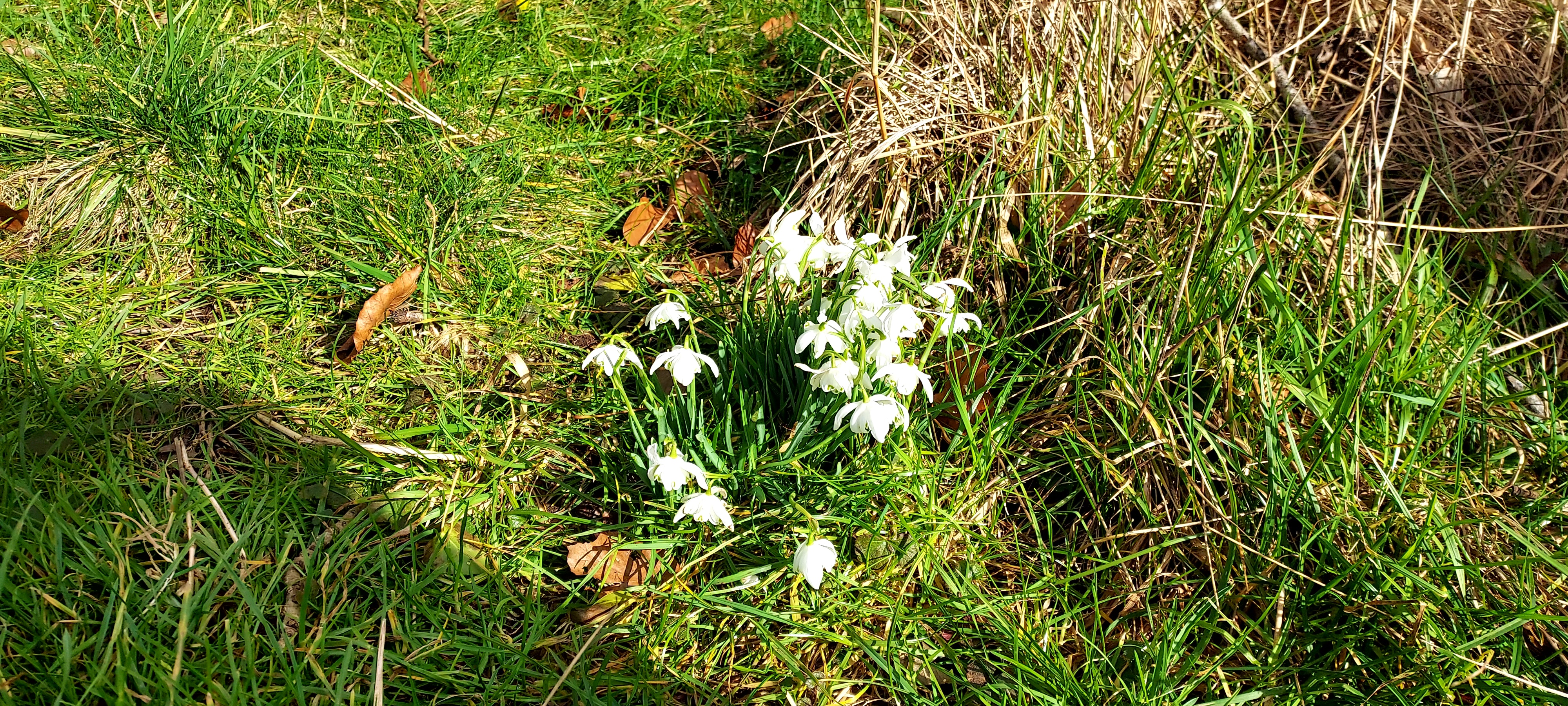
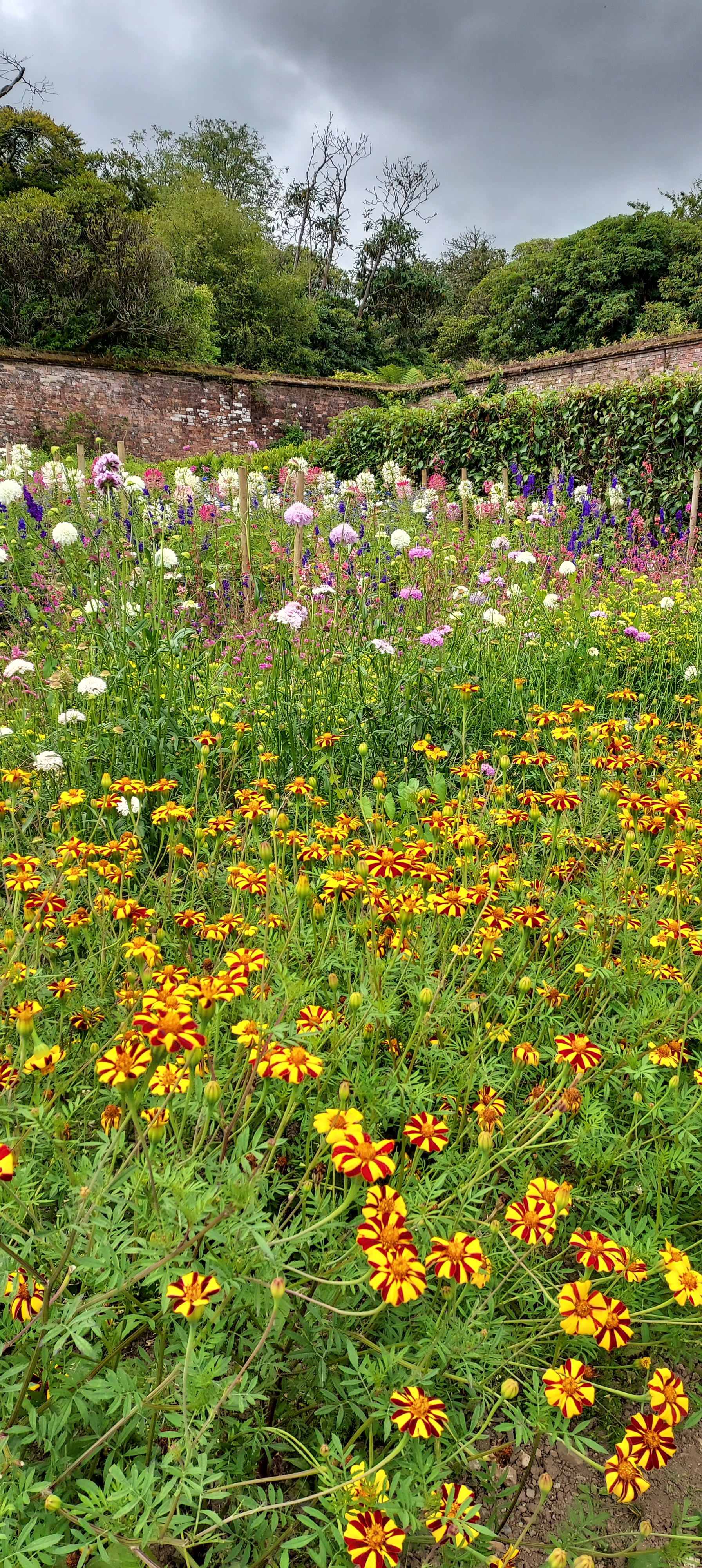
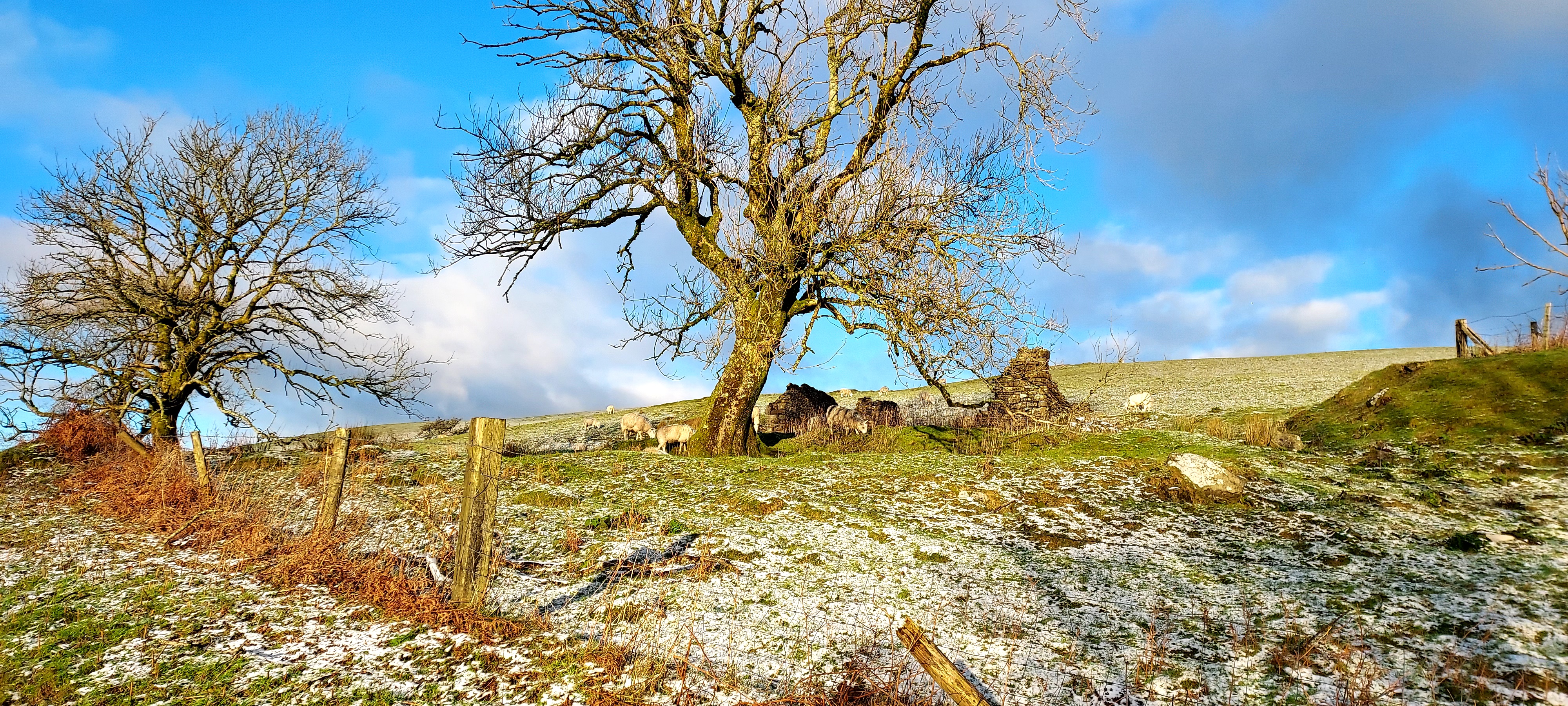
Recording the sights, sounds and smells of nature, and committing them to words and memory…
Actively noticing these observations and sensations in the form of recording them takes the immersion one stage further. It has the bonus of cementing ordinary but beautiful little moments that I know my brain may otherwise lose.
I first tried to diarise my attempts at early morning walking back in 2023, and I remember having the ludicrous expectation that I would a) walk every day and b) write the diary of my walk every day.
ADHD’ers tend to aim high when we set our minds to something, and very often we genuinely can’t see that something might be hard to stick to.
I didn’t start photographing my walks back then, but here is an excerpt from my very first early morning excursion.
At the bottom of the road, the verge gives way to banks of greenery, a little green space where my children played in lockdown. Later, we find out that it is the site of the old fan shaft for the Maritime Colliery –an area that is now grown over with woodlands that are home to rare species.
At this edge of the village, unfolding into the dark silhouettes of bare trees, the birdsong becomes suddenly dense and immersive. I may be too early for dawn, but the dawn chorus is beginning in all its glory, and the spectacular cacophony surrounds me.
I take in the variety of twitters, crystal clear calls, bell-like melodies and guttural base notes being provided by this tiny segment of woodland. Some of the cries and songs seem almost otherworldly, unfamiliar, and my determination to be able to learn and identify different birds by their song is renewed.
A runner passes the other way, we nod in recognition and, too puffed out to return my perky “morning”, he gives me a little wave instead. This really tickles me. I feel like I have joined a secret club of people who exercise in the morning and allow myself a tiny smugness…
The smugness in my early morning walking lasted regrettably only as long as the early morning walking did (on this occasion three days I believe) but the realisation of the magic of a mindful walk has stayed firmly with me.
These days, in terms of frequency and expectations, I am a little gentler on myself than I used to be, and I constantly try to reset my expectations with kindness and pacing in mind. (See this post on the power of pacing with ADHD)
I walk as much as I can, I write my walks as much as I can, that’s enough.
When I am walking, I am comfortable in my own skin, and the same is true of writing. Words are something I have always loved to disappear into, and the joy of trying to capture nature in words, as well as in photographs, and letting my mind wander freely on its weird ADHD flights, is me disappearing to one of my happiest places.
Thus, Two Bats and a Squirrel was born, and evolves with me as I journey through the Wilds of Wales. If it helps anyone else to escape for just a few minutes of their day, I will be one happy batty squirrel.
Link to all walking diary posts here…
 bewilderbrain
Thoughts or ramblings welcome here…