Sensory sensitivity and perception, a mind highly open to sources of stimulation, finely tuned senses…
Why our clever, lit-up ADHD and neurodivergent brains can struggle with processing the stimulus of the world around us…
Sometimes, often, the world is too much. Sometimes it is too little. Too loud, too quiet, too dull, too colourful. Too complicated.
Too Jarring.
Sensory sensitivities and differences in how the brain processes sensory input are extremely common in both Autism and ADHD.
Due to differences in our brain wiring, our filters to the outside world work differently to a neurotypical brain. Sometimes they let in too much information, sometimes not enough, and sometimes they are not able to interpret that information “correctly” or in a usual amount of time.
The vastness of ways in which this affects us covers everything from executive function, to emotional dysregulation to physical difficulties and more, and one of these areas is differences in our experience of the senses.
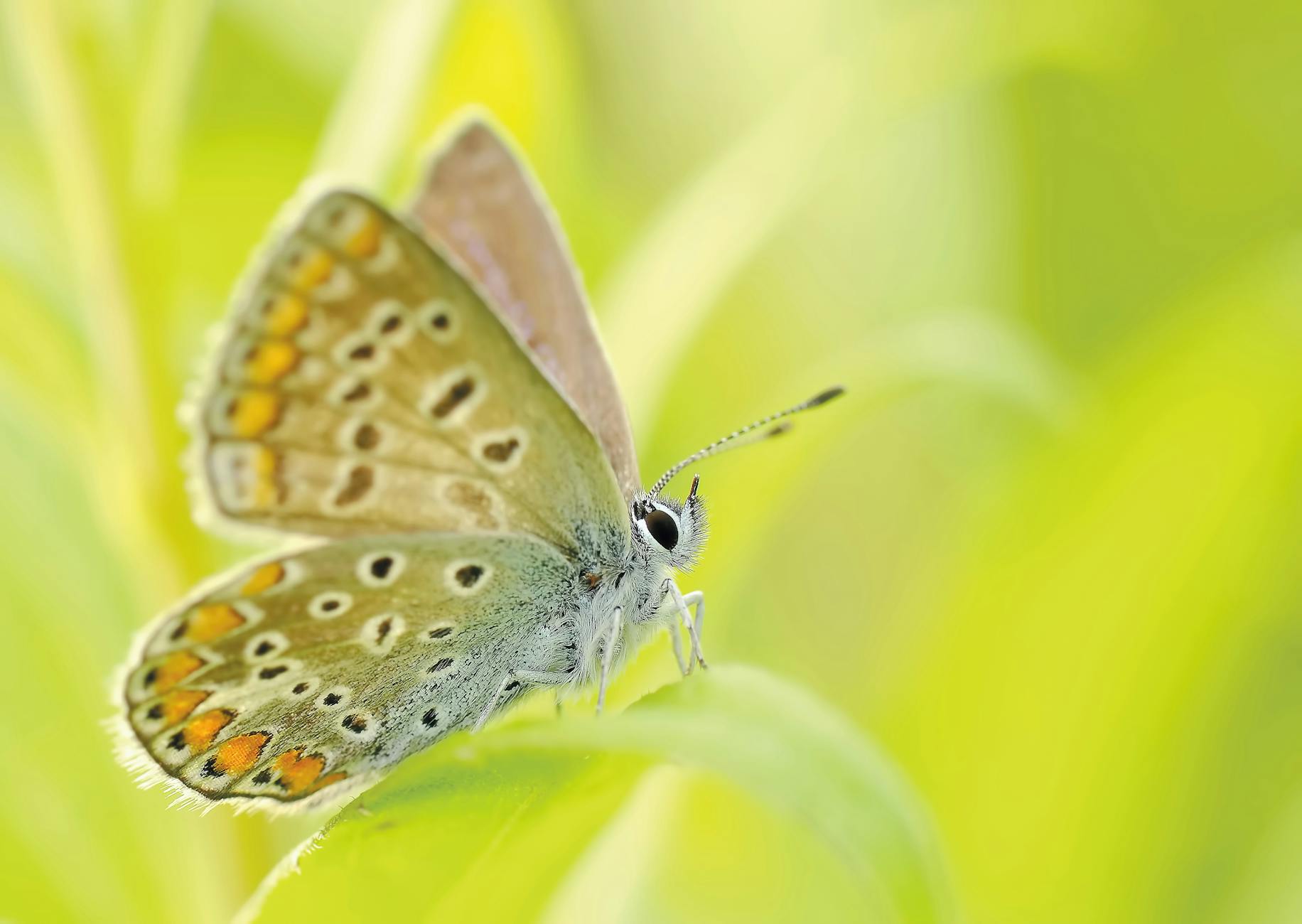
Our antennae are stronger, more sensitively tuned, than in neurotypical brains.
For many of us, for instance, loud or sudden noises, busy events or parties, or situations where there are multiple conflicting sound inputs, like music, tv and conversation happening simultaneously, can be extremely difficult to handle, and cause an actual stress reaction in the body.
Strong smells, bright lights, overstimulating colours and varieties of objects, clothing textures, everyday household or personal sounds, uninvited touch or invasion of personal space, altered experiences of physical pain…all of these things and so many more, can affect us, and be a source of distress.
We are increasingly understanding the impacts of the stresses these apparently everyday things are actually placing on many neurodiverse brains.
For some, the frequently co-existing conditions of anxiety, OCD and depression have been caused or exacerbated by spending a lifetime of near constant stress – not realising that simple things like lights, sounds or physical discomforts that others wouldn’t even register are putting our bodies in a permanent state of low level (or sometimes high level) fight or flight response.
These situations are sending cortisol through our systems, because our brain signalling doesn’t understand that they are not fundamentally threatening to our welfare.
Our experience of them therefore, is that they are threatening.
This is how our brain perceives them…and on a physiological level, this means that these things actually are a threat to us.
The fact that we experience these external inputs as stressors must be respected, accommodated, and remedied wherever possible.
Ignoring our brains signals of discomfort in order to fit in, or not to inconvenience others, is setting up a pathway for accumulating stress, which will worsen any existing mental health difficulties and likely end up manifesting in physical health problems too.
We must respect our needs. We must be kind to ourselves.
Now, that’s all very well to say, but one of the very many great paradoxes of having a neurodiverse brain is that we have a much higher need than a neurotypical person for nurture, self-care and time-out. But we find this much harder than the average person to implement.
There are many reasons for this, but to name just a few:
- A lifetime of masking makes habits difficult to break
- A brain that is not always wired to understand or interpret its discomfort correctly (problems with interoception – our experience of the internal needs of our body – are common in neurodiverse brains)
- Problems in being able to effectively communicate our discomfort, or our needs and requirements (such as quiet time, extra sleep, saying no to social events etc)
- Guilt. This is perhaps one of the biggest ones. Those differently wired filters that I mentioned earlier have a massive impact on emotions. It is not uncommon for us to be in a near constant state of guilt about things we find hard, things we haven’t done, things we think we might have done wrong and yes, in this instance, needing more time to look after ourselves and our needs.
We feel like we are letting others down – that we are getting unfairly preferential treatment by expressing a need to rest or to escape, and that anyway there simply isn’t enough time for us to do this, as we have too many things to do/ worry about/ people to look after.
In not addressing these barriers, and choosing to allow guilt to stop us respecting our needs, we do a disservice not just to ourselves but to anyone else in our lives.
The further we push ourselves beyond our capacities, the more we become exhausted, overwhelmed, angry, irritable, distant, absent, miserable…generally non functional.
How ADHD and neurodiverse brains can use our differences to work for us…
One way in which we respect our increased need for rest and nurture, is to respect, and work with, our sensory sensitivites, by avoiding or accomodating things that are difficult wherever possible. See also this post on The Power of pacing and managing energy.
Another way in which we respect our unique needs, is to turn those same sensory sensitivities to our advantage.

Neurodiverse brains are good at extremes. Yes, noises are louder, textures are rougher, smells are stronger, lights are brighter…and many more.
But…on the flip side…I believe…
Joy and wonder can be sharper, deeper…more intense.
The melodies of music more all-consuming, euphoric…our brains experiencing a more complete whole body experience than a neurotypical
Soothing comforts like being wrapped in a soft blanket can have a more powerful effect on us, as our bodies respond more sensitively and sensually to our surroundings. Favourite and comfort clothing can emotionally lift and comfort us.
Good foods can be more exquisite, a cup of tea at the right time a genuine emotional balm.
A favourite book can make you feel cocooned in your safe space.
A tidy, clear and soft space with low lighting can entirely change and reset your mood.
Depending on our wiring and preferences, physical touch like hugs or massage can also soothe our minds via the passage of our bodies.

Physical and sensory interventions work so well for us because our bodies often offer the path of least resistance.
What I mean by this, is that our brains tend to like to hurl mental obstacles at us; to relaxing, to calming down, to feeling present or connected. Sometimes, we can overcome or improve states of stress by using the override of our body and our incredibly responsive senses, which will end up physiologically calming us, brains included.
There are many sensory interventions which I believe can be helpful to us, and I will explore these more fully in future.
Why is nature one of the most powerful tools available for regulating ADHD and neurodivergent brains?
Place an unfiltered, sensitive brain in the heart of busy city – stress is the likely result.
Place the same brain in the heart of nature, and those same sensitivities switch on, but in a positive direction.
The beauty and peace in nature can feel all-consuming to someone who is processing every experience with all their available senses and all their available emotions.
And just as loud and busy noises might be experienced throughout the whole body as stress…
Calm sounds and atmospheres can be more intensely experienced throughout the whole body as release, connection… euphoria even.
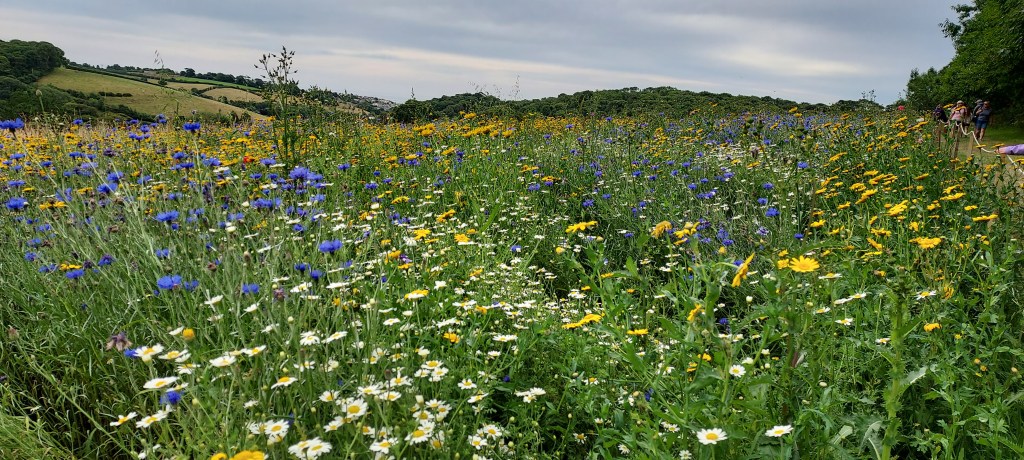
I believe the neurodiverse brain can experience a more powerful calming reaction, as well as a more intense excitement at simple sights, sounds, discoveries, which will in turn increase precious feel good neurotransmitters like dopamine.
A sense of calm amongst the green of a forest that you can almost feel running through your veins like the trickle of water from a mountain stream.
A steady, moving fizz of excitement vibrating through your senses at the sound of the wind swishing through long grass as it gently brushes your skin.
This is how I often experience walking outside – and from there comes my ideology. That we can use our incredibly heightened senses to our advantage in nature.
And what about the science of the effects of nature on the brain?
This is something that is becoming more and more widely understood, with a welcome increase in social prescribing by doctors for mental health conditions.
In brief, and I will cover each of these subjects in more detail at a later date, we now know:
- Studies have shown that being in nature improves memory functions, reduces depressive symptoms and enhances creative abilities. It has been shown to reduce feelings of isolation by making us feel more connected to the world and provoke an increased sense of curiosity and wonder in the world around us.
The effects are so powerful that views of nature from hospital bedrooms have been proven to enhance patients recovery, and even watching nature programmes, viewing nature photography, listening to nature sounds, or tending to houseplants have been shown to have beneficial effects. - Increasing levels of vitamin D in the body by exposure to sunlight has been shown to have powerful effects across multiple systems of the body which affect mood and wellbeing. Its wide ranging capabilities include the regulation of reproductive hormones and melatonin, and the vital neurotransmitters serotonin and dopamine.
- Observing or hearing something beautiful, or finding or identifying something new in nature releases positive neurotransmitters including dopamine.
- The sound of water has been shown to decrease cortisol production. The air near to oceans, riversides and waterfalls is higher in negative ions, which enter the bloodstream when inhaled and are believed to increase serotonin levels as well as increasing oxygen flow to the brain.
- Listening to melodic birdsong has been proven in studies to lift peoples mood and to calm us.
Studies suggest that we may have a genetically built in preference for being in nature.
From an evolutionary perspective, it is believed that the sound of birdsong makes us feel safe, as it would have indicated the presence of the water, plants and animals that would be needed for survival. ( see also this post Birds flying high, you know I feel? Why anyone and everyone should be bird-watching for mental health)
Another theory holds that the sound of birdsong can offer a positive focus for parts of the brain, better enabling other parts to relax or to complete other tasks.
In a world of competing noises and demands for attention, in an ADHD brain in particular, a pleasant and calming focus can help to tune out some of the other mental and physical noise.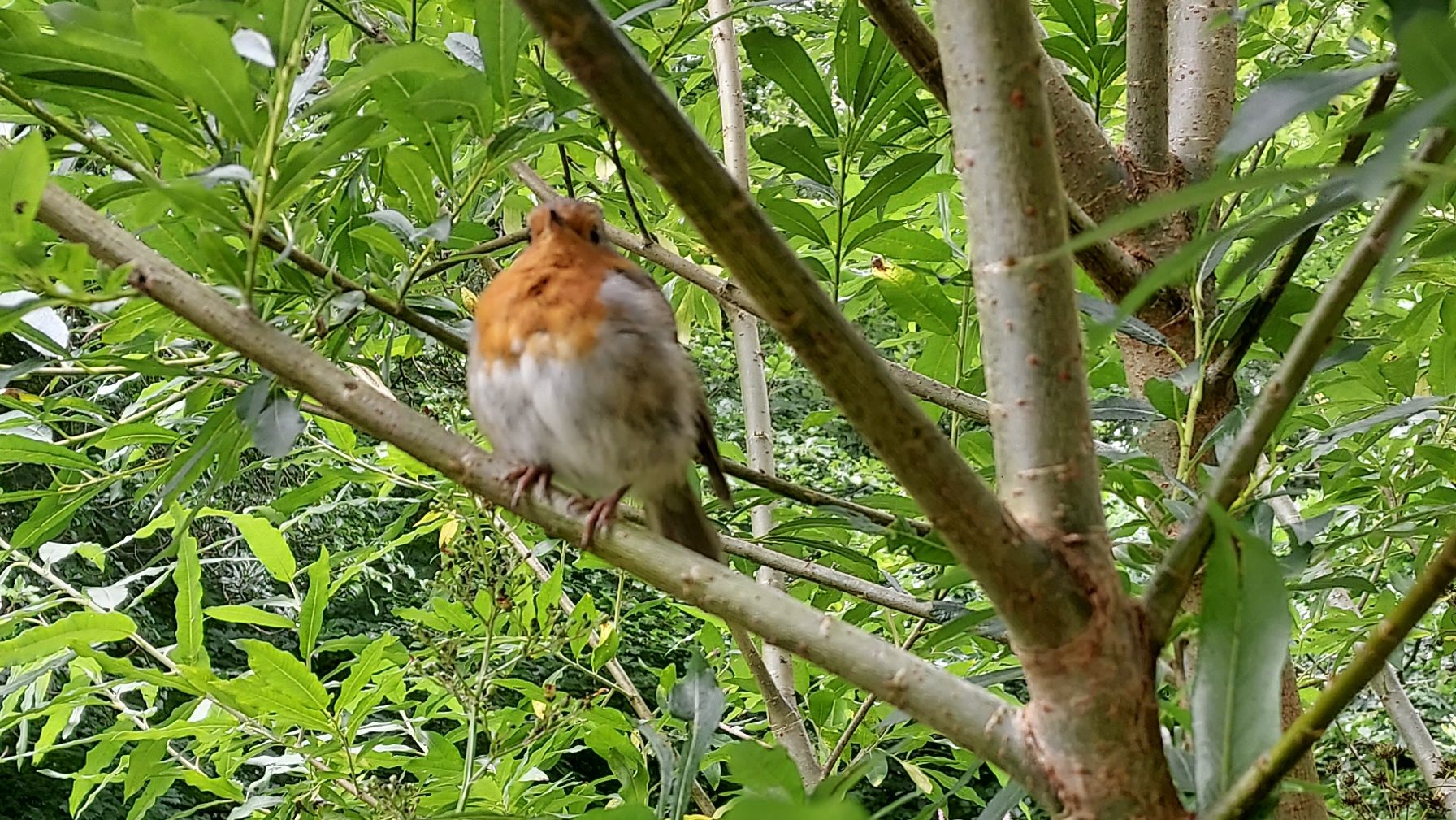
- The unique array of chemicals in forest leaf mulch, as well as microorganisms like Mycobacterium Vaccae, which can be found in most soils including your back garden, have also been shown to release serotonin when inhaled. Both walking in the forest and gardening therefore have the direct power to chemically alter mood.
- Nature is full of fractal shapes, which can be seen in the veins of a leaf, the shape of a bare tree against the sky, or the patterns on a snail shell. Patterns and shapes may be of a particularly calming nature to certain types of neurodiverse brain, and observing fractal shapes has been shown to light up the same areas of the brain as listening to music.
- The colour green is believed to invoke a sense of calm and tranquility simply because of its association with nature. The colour is used as a symbol of growth, renewal and fertility and studies have shown that simply looking at greenery can reduce anxiety levels and significantly improve mood.
There is overwhelming evidence now that being in nature, and connecting to nature, is good for our mental health.
I believe that for those with neurodiverse minds it is even more powerful. Not only do I think that our brains are uniquely responsive to the variety of positive stimulus that nature has to offer, I think that this is also about what nature isn’t….
It isn’t judgmental, it doesn’t have complicated rules, social expectations or complexities.
It just is. In nature you are free from any worries of conformity, convention or acceptance.
It doesn’t need anything except your respect and awe.

How should we bring nature into our lives to improve our mental health and soothe our neurodivergent senses?
In any way possible.
The therapy here is wonderfully simple.
The act, any act, of mindful noticing and engagement with nature – and even the smallest things can make a tremendous difference.
- Most obviously, go for a walk. (see 8 reasons you should go for a walk if you have ADHD)
- Spend 5 minutes sitting in a garden or park, just noticing, birds, tree types, the smell of the grass, the feel of the sun or the wind.
- Plant seeds
- Weed a patch of ground
- Sit by a river or fountain for a while if you can
- Play the sound of rivers or birdsong if you find them relaxing
- Listen to and focus on the sound of the rain outside.
- Stand or walk in the rain.
- Notice the different effects of the weather on the streets and nature around you
- Notice and revel in the effects of the changing of the seasons. Watch how colours in nature alter subtley day by day.
- Watch nature from your window
- Take pleasure in looking after a houseplant.
- Start trying to identify tree species or birdsong
- Borrow a nature book
- Watch a nature TV show ( I love Springwatch with my hero Chris Packham)
- Do a nature painting or drawing
- Photograph nature
- Find any reason you can to be outside more often
Nature is our safe place.
Our grounding goddess when the rest of the world is too much. And she can be such powerful medicine, that if we tune in, it’s amazing what even a small dose can do.
Do you feel like you have heightened senses and appreciation of positive sensory input? Has nature helped you to deal with any aspect of mental health or neurodiversity? let me know in the comments below.
 bewilderbrain
Thoughts or ramblings welcome here…