
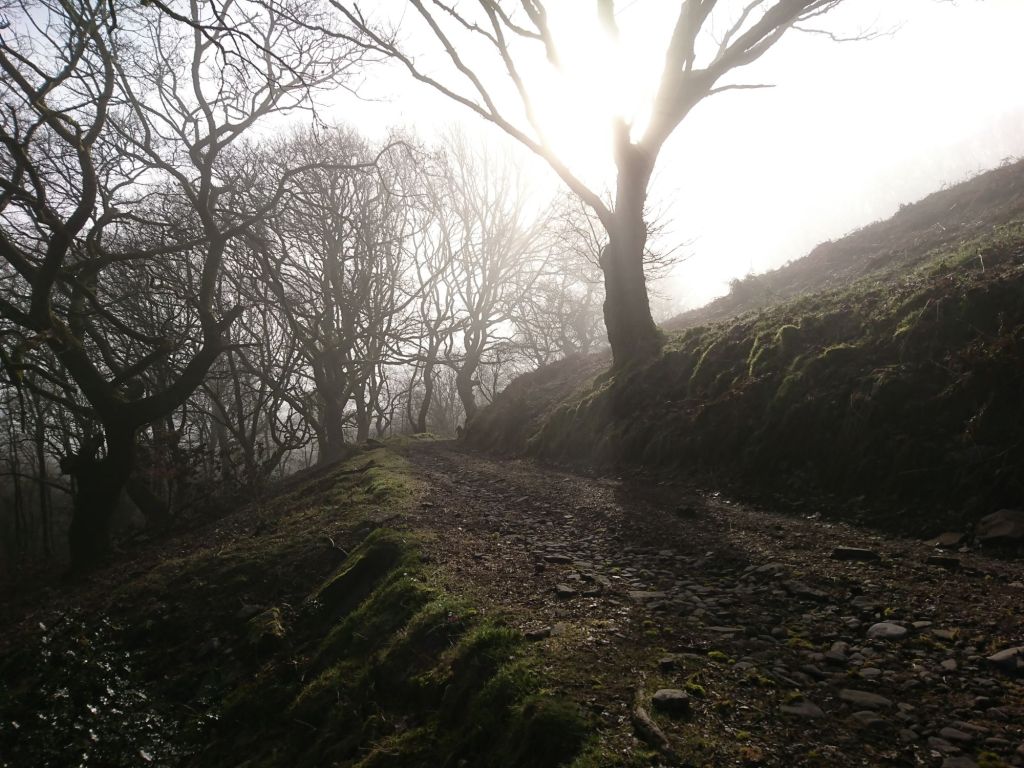
The dark season is all about light.
Open vistas, low sun gilding fresh landscapes, magical scenes and stirring wildness…
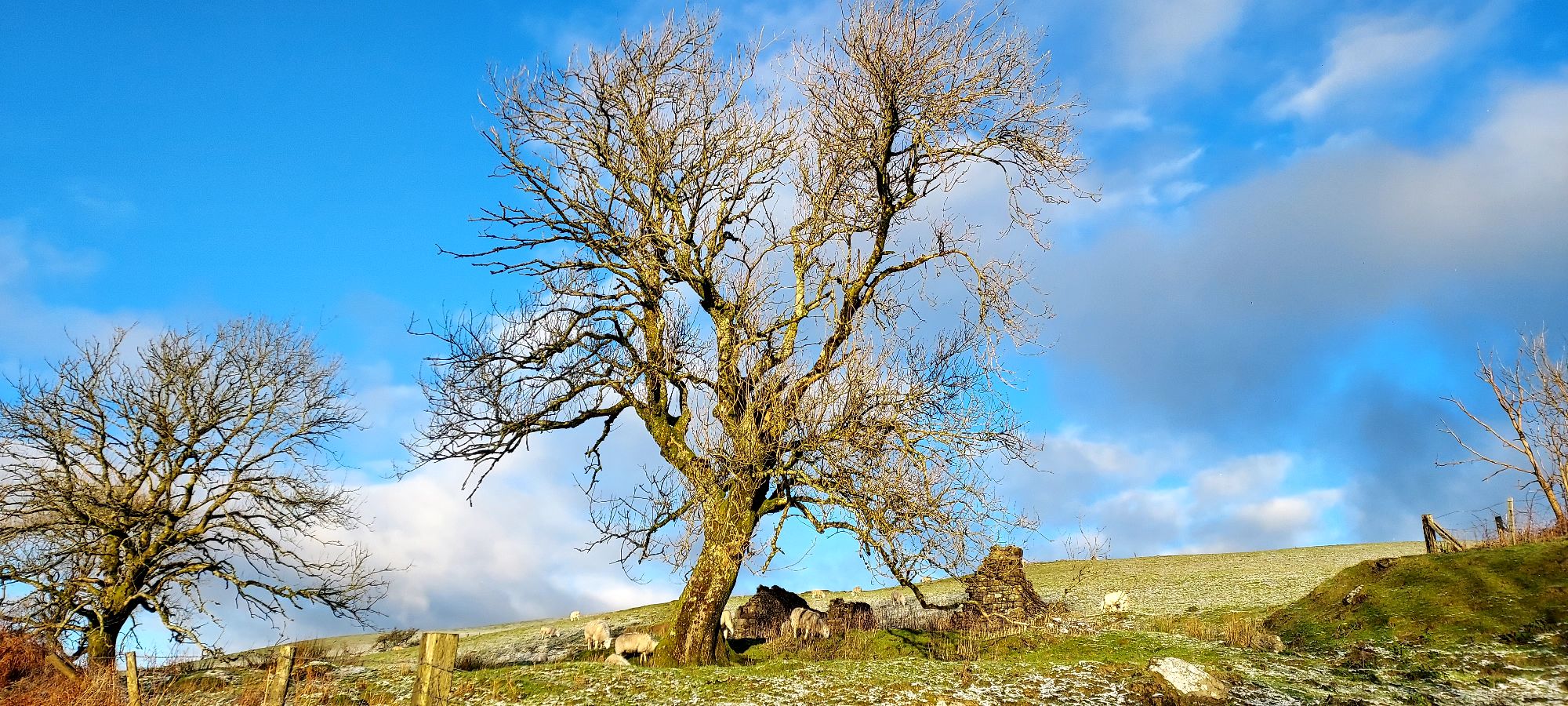
1 – The open landscape…and discovery…
As colour fades, new vistas emerge…
In winter, the colours of autumn have receded, their hues only gently present now in dustings of russet leaves by the roadside.
The absence of the colours that render our seasonal landscapes so spectacular can be difficult for us mentally. Our eyes naturally seek the soothing deep greens of summer and the bold fiery orange reds of autumn, and when we walk, we are drawn to, inspired by and uplifted by them.
As the leaves retreat in winter though, a new landscape emerges. One that has opened before us, clean and stark.
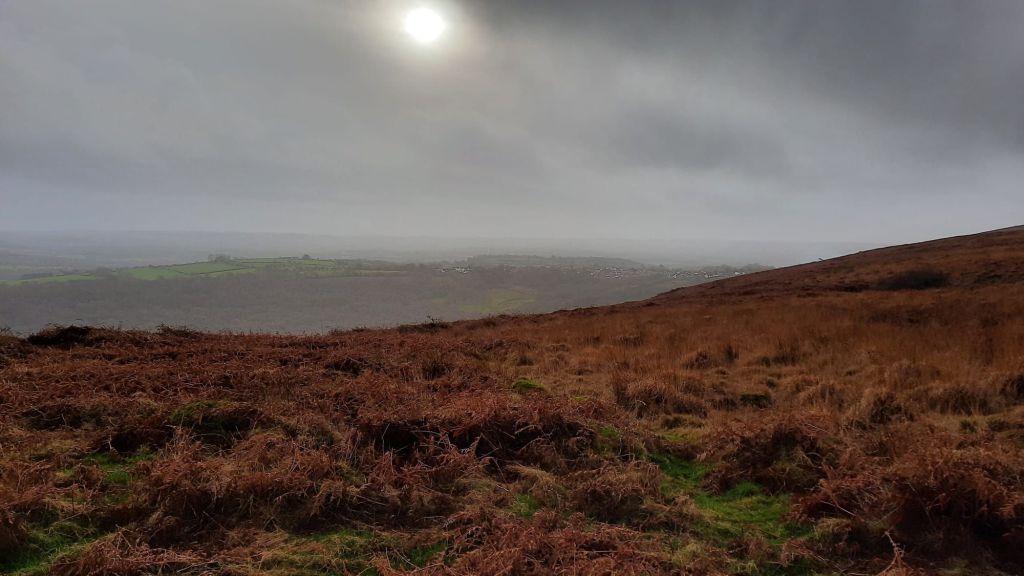
For the walker, hidden pathways are revealed in the dieback of mountain bracken, the clearer trails enabling bold discovery of new routes, terrains and landmarks.
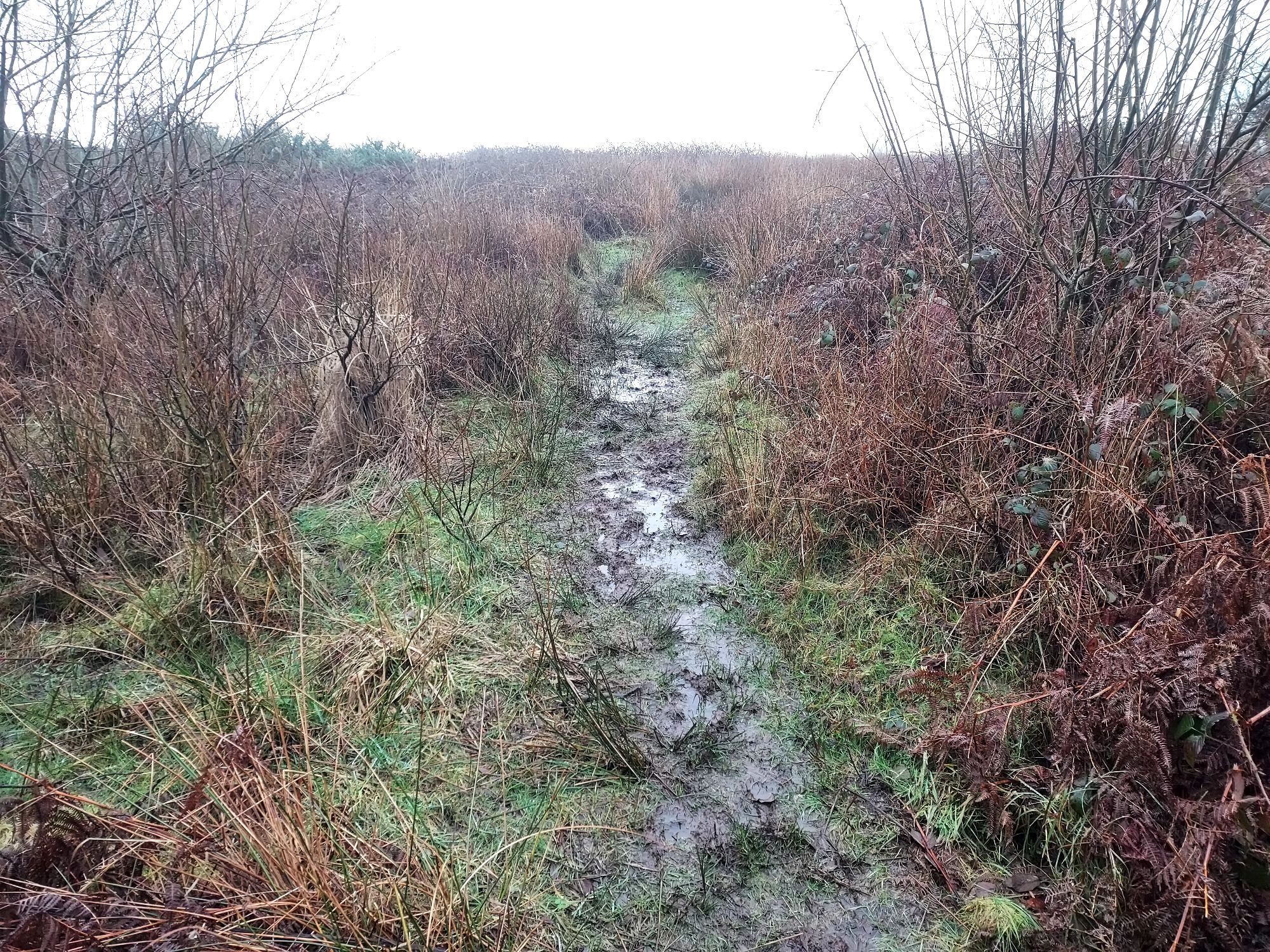
Winter is the landscapes big reveal, its honest communion with us in stripped back transparency.
Natures boon diminishes, but as it does so, the skies become bigger and broader around us – distant horizons crystallised in the bare blue yonder.
Birds hidden in summer greenery are suddenly unveiled – bell-like chirps and twitters clarified in the open winter air – shapes, colours, and fluffy feathered breasts for the first time visible amongst the branches.
(See also – Reasons anybody and everybody should be watching birds for mental health)
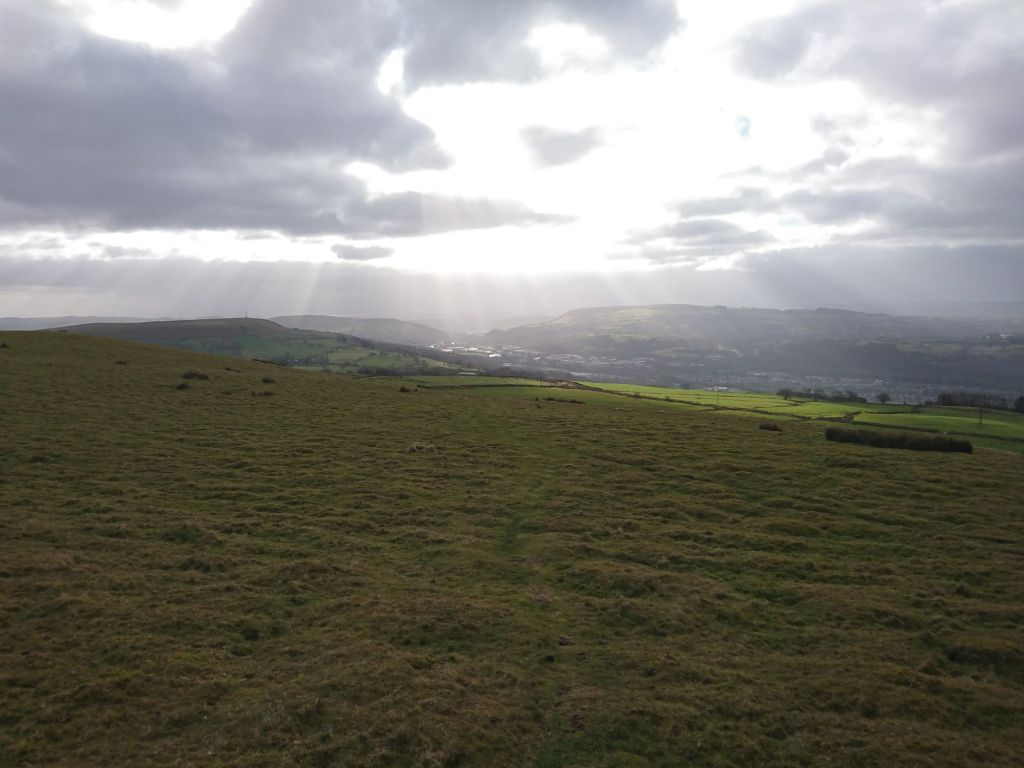
Pathways on high lanes, immersed in dense summer canopies, open their vast reaches, offering sweeping views over urban sprawls, valley and mountains that were otherwise hidden.
We become masters of the land around us – for the first time seeing and understanding its contours – its rise and fall, the very bones and essence of its form.
In this new light, the naked terrain of winter makes us feel the landscape viscerally, with a fresh and stark magnificence.
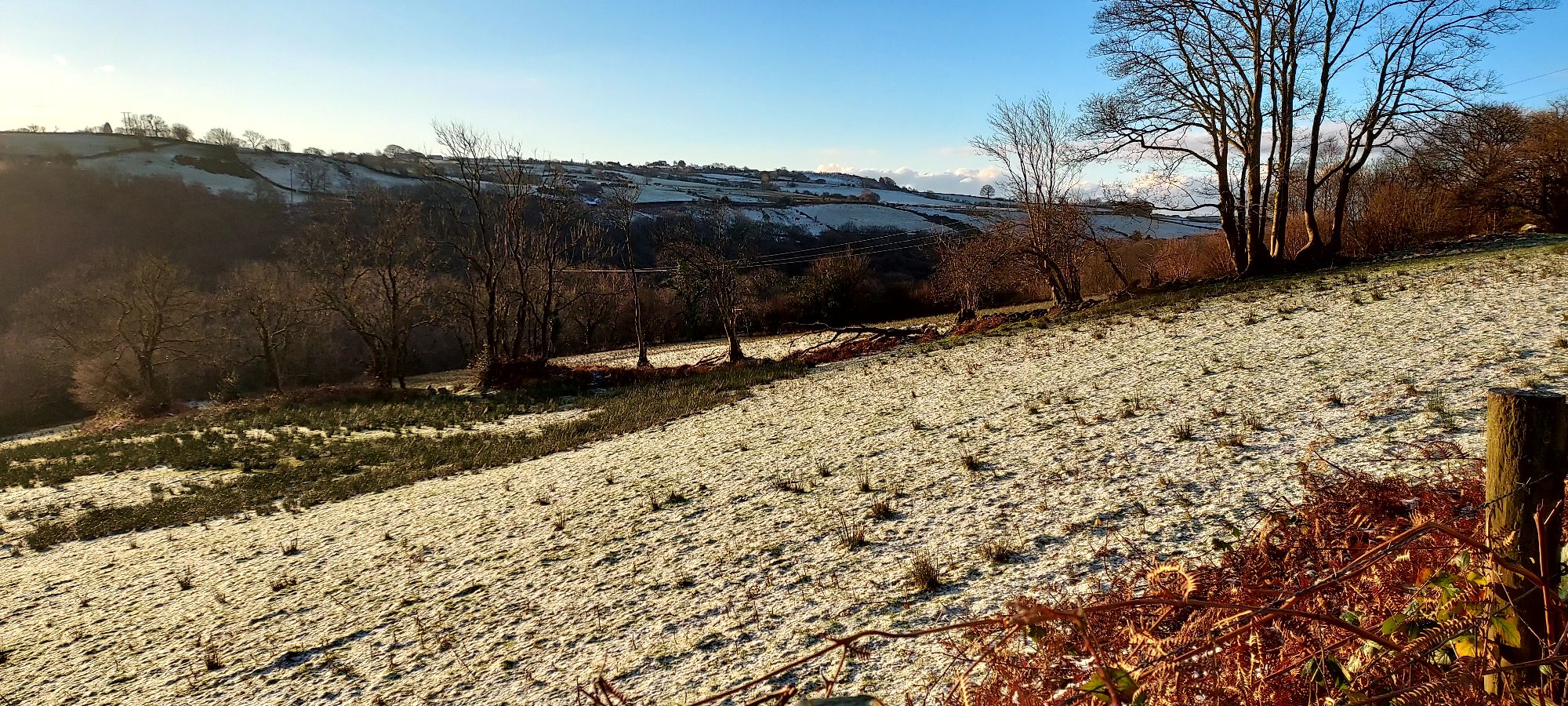
2 – The power of winter sunlight…
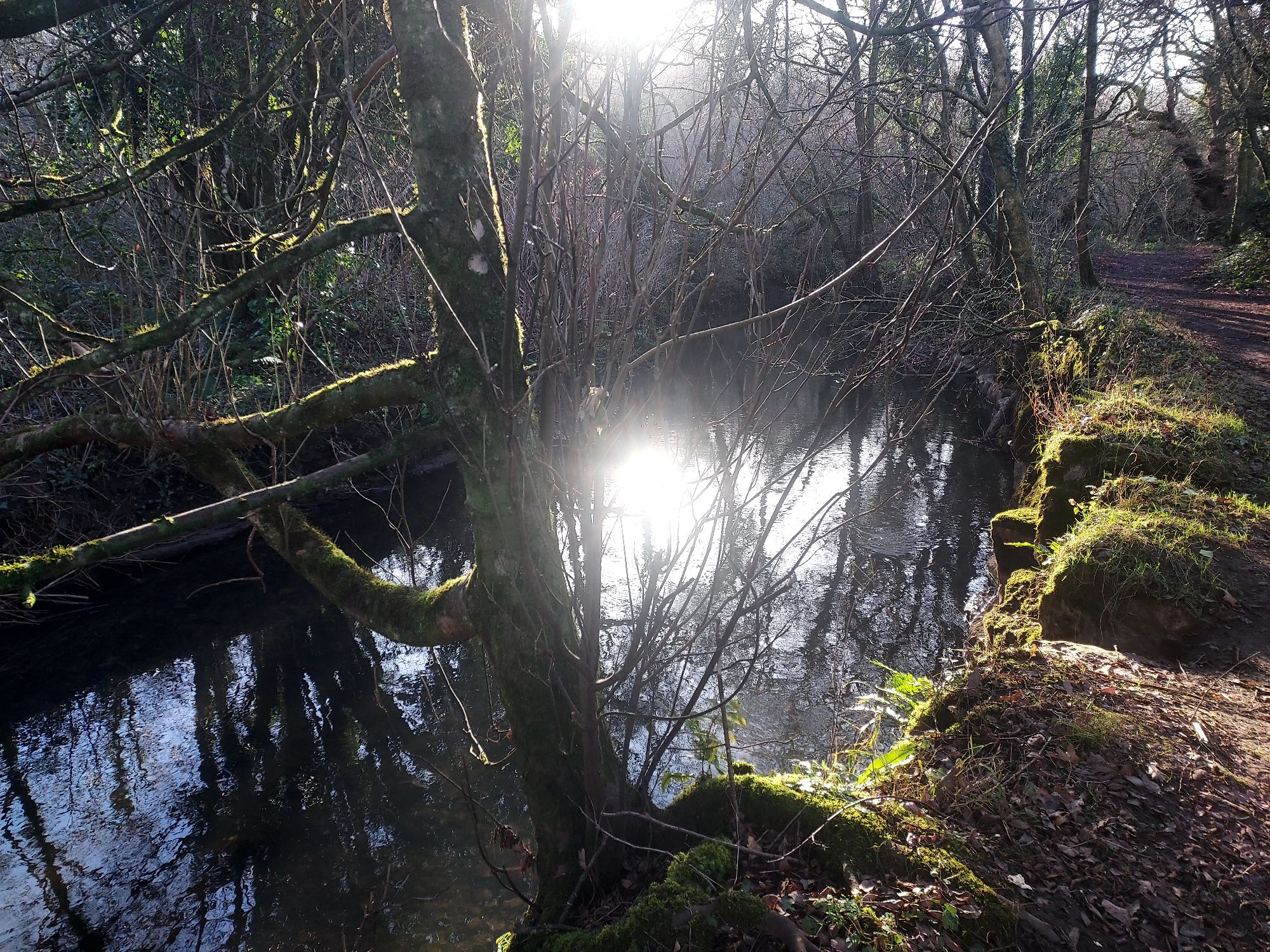
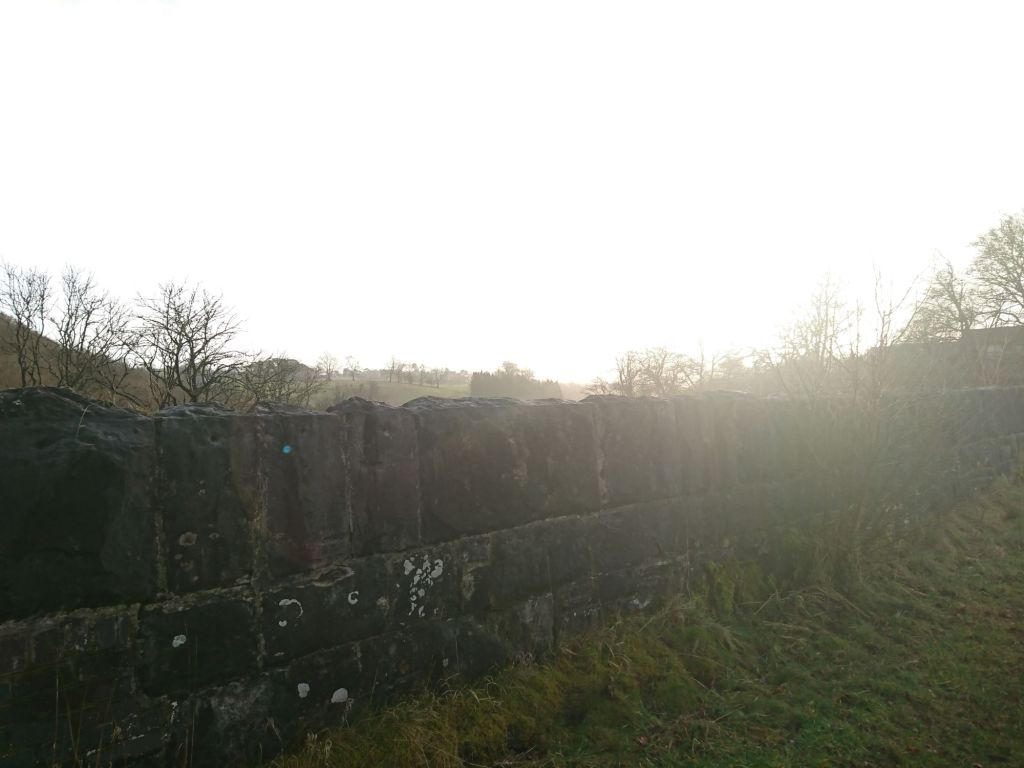
Light in winter is special. Unlike the direct intensity of summer light, the lower winter sun shines diluted rays in horizontal lilt across the landscape.
Thoughtfully and artfully, it wends its way gently forward, intuiting its path like rivulets of a stream, creeping into secret corners and infiltrating the edges of the landscape with soft beauty.
Rather than seizing them, watery winter sunlight steals upon our senses.
It bends and reflects differently, illuminating nature’s subtleties in its gentle, inquisitive gaze.
Our light hungry eyes devour the sunlight’s every beam in winter, its distant warmth a reminder of spring that comes without force, but with insistent fortitude – a soft stillness and restoration in its rays.
3 – Creativity and inspiration…
The artistry of contrast…
The disappearance of summers green softness engineers a landscape with more edges.
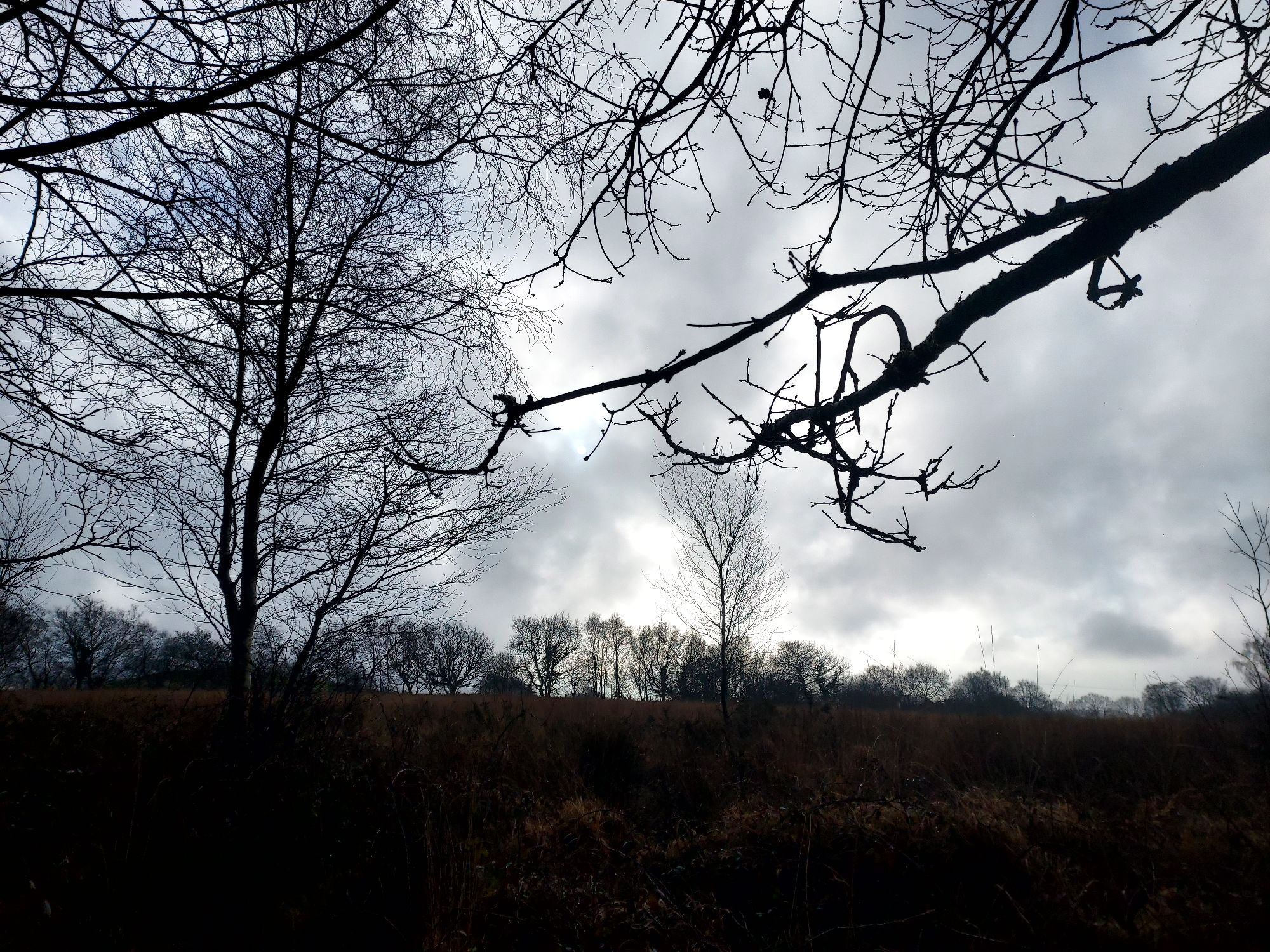
Colour is replaced by contrast – the skeletal silhouettes of winter trees become monochrome sculptures against vast backdrops.
Artists are drawn to the winter landscape for a reason. The dynamic shapes and contours of the land are fused together by light and shadow – by fractal, geometric shapes creating bold spectres on the horizon.
Bare branches gnarl and curl into complex, architectural forms, stripped of embellishment, exposing intricate detail and artistry in the heart of nature.
The magic of the mist…
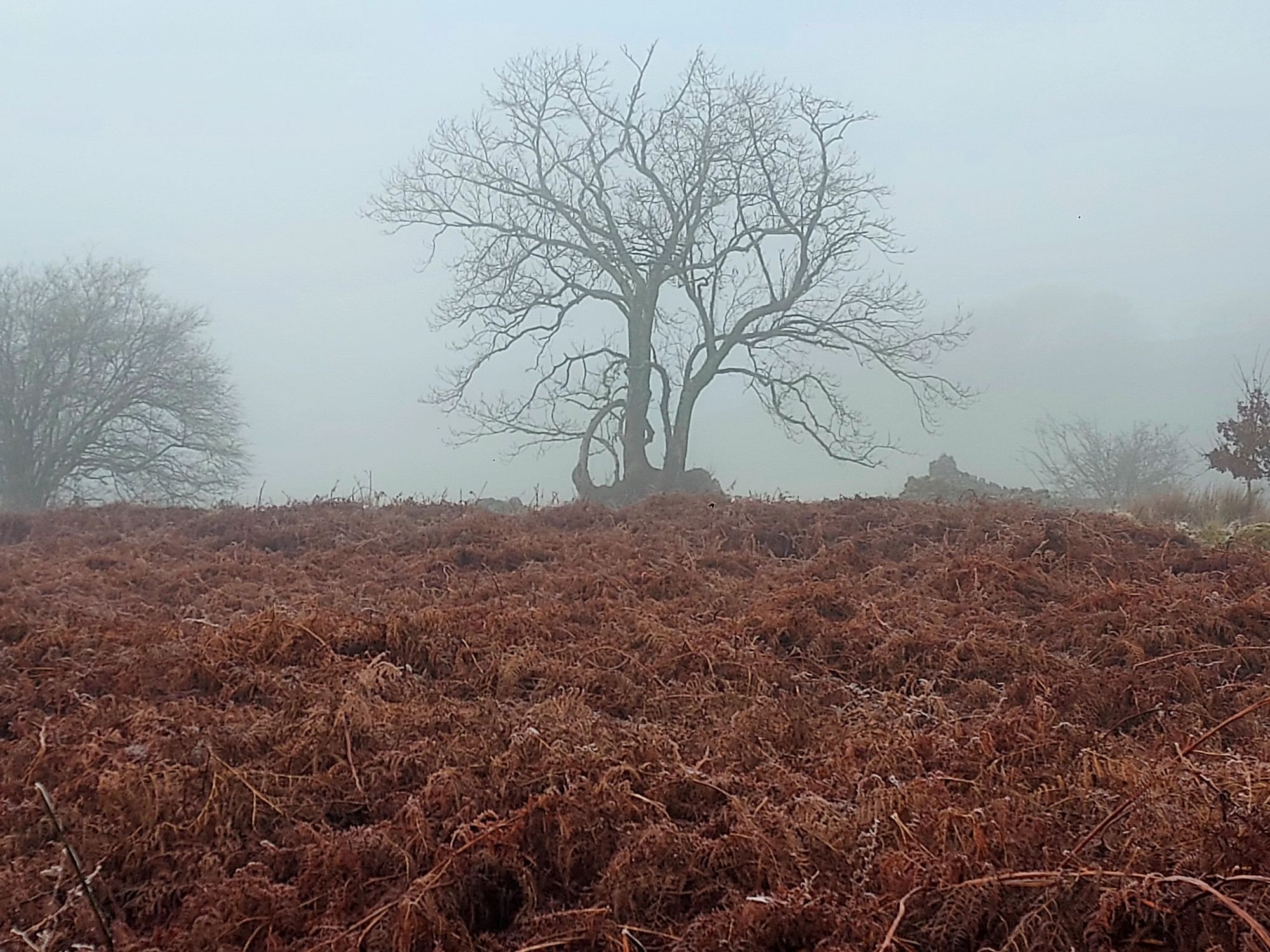
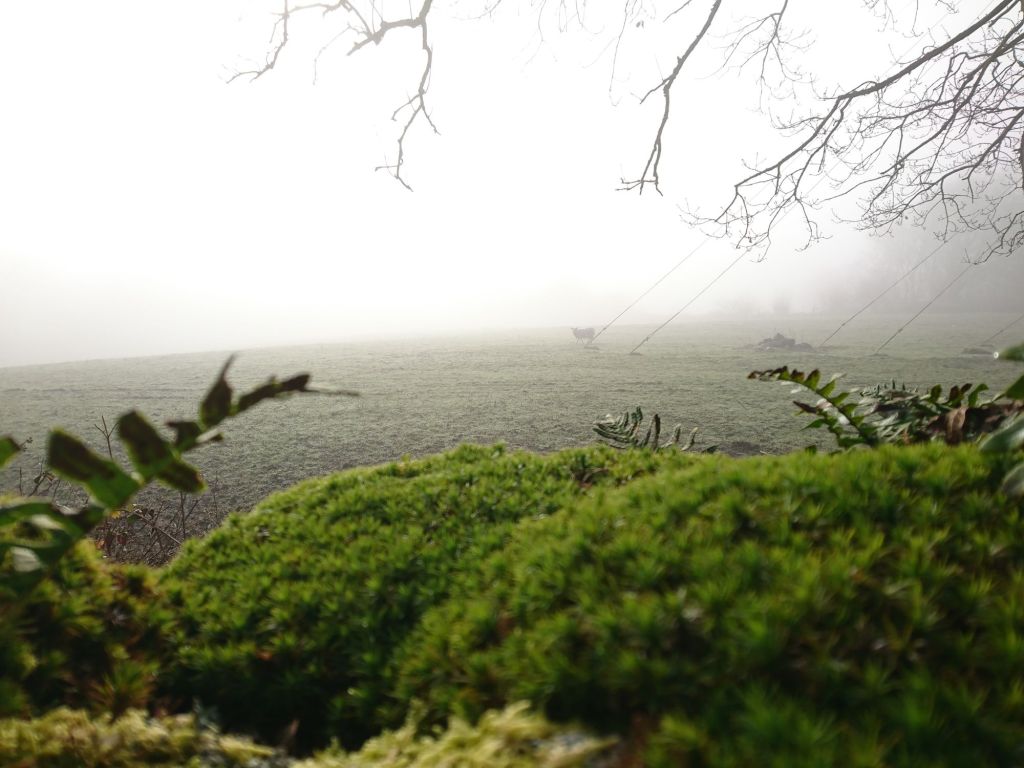
In lower light, or in winter mist, the bold, clean landscapes transform to take on a liminal, mystical air. We experience nature through a state of flux, as new forms and senses insinuate themselves fluidly from the damp air.
Winter fog hushes the landscape, the muting effect of the water droplets altering and re-shaping sound.
Diaphanous swirls of moisture create momentary spectacles of light and shade -morphing the shapes and edges of the landscape – creating a realm where reality and imagination collide.
The stillness of winter allows us to enter a more magical landscape, where our minds have spaces to roam.
These misty, transient days call on our imaginations. They unwittingly shift our boundaries of perception – sparking creativity – and briefly allowing us to view the landscape with the vivid senses and magic of childhood.
4 – Wildness and Adventure…
The stark landscapes of winter turn every walker into an adventurer. The navigation of inhospitable weather and temperatures, the perils of cold, snow and water.
In winter, nature wields its power unashamedly, a wild untamed dominion that isn’t out to appease anyone.
There are more obstacles to walking in the dark season – inclement weather that adds peril to our pathways, and remote mountain landscapes that seem to have raised the drawbridge to all human access.
For the adventurous, this only adds to the beguiling pull of the winter terrain. And for anyone, by its very nature, winter walking is likely to channel a bolder, more adventurous mindset.
A landscape that feels wild, at times inhospitable, has the energy of its beauty magnified by its bold scarcity.
A more intense allure that connects us to our own wildness, and our own nature.
Whether a long mountain hike, or a brisk walk down the back lanes in the chilly air, we return from our expeditions rightly emboldened, as momentary conquerors of winter’s reign.
5. Nurture and therapy
We need the winter landscape.
We need to be outside at this time of year with bone-deep instinct, too often overridden.
We need to move our bodies – to ward off the chill of winter – to keep life flowing richly through our veins, just as it continues to flow deep under the cold winter earth.
The lengthening nights of autumn and the slowly shortening ones of winter will eventually deplete us. Our energy, our motivation, our vitamin D and our vitally important connection to the natural world are often at an all time low by the late months of winter.
We know by now the acute benefits of spending time in nature – and perhaps these are sometimes harder to see in the wintertime.
But the landscape out there is spectacular – full of life, full of awe – full of promise for the seasons ahead.
We also know the benefits of walking, not just for our bodies and our fitness, but for our mental health, and this becomes doubly important for those of us with mental health issues or neurodiverse brains.
(See also Two Bats and a Squirrel- The birth of an ADHD walking diary)
If we brave it, the benefits of walking outside in the dark season are perhaps greater than in any other.
At a natural nadir of the year’s energy, the winter landscape feeds our minds, our senses, our inspiration, and our deep connection to the land.
Without the riches and colours so readily available in summer, our brains are forced to tune in, to actively seek and discover the sights and intricacies of a more barren landscape.
Winter makes us work harder, and differently, for our nature therapy – which makes its discoveries, once sought, more intensely felt.
The bold search – the mental effort – is part of what makes winter walking so powerful, and the scarcer the nature of its bounty – the more exquisite the reward to be found in every nuance of the season.
 bewilderbrain
Thoughts or ramblings welcome here…